Galaxy Refuse to Fold in Cali Clásico Thriller
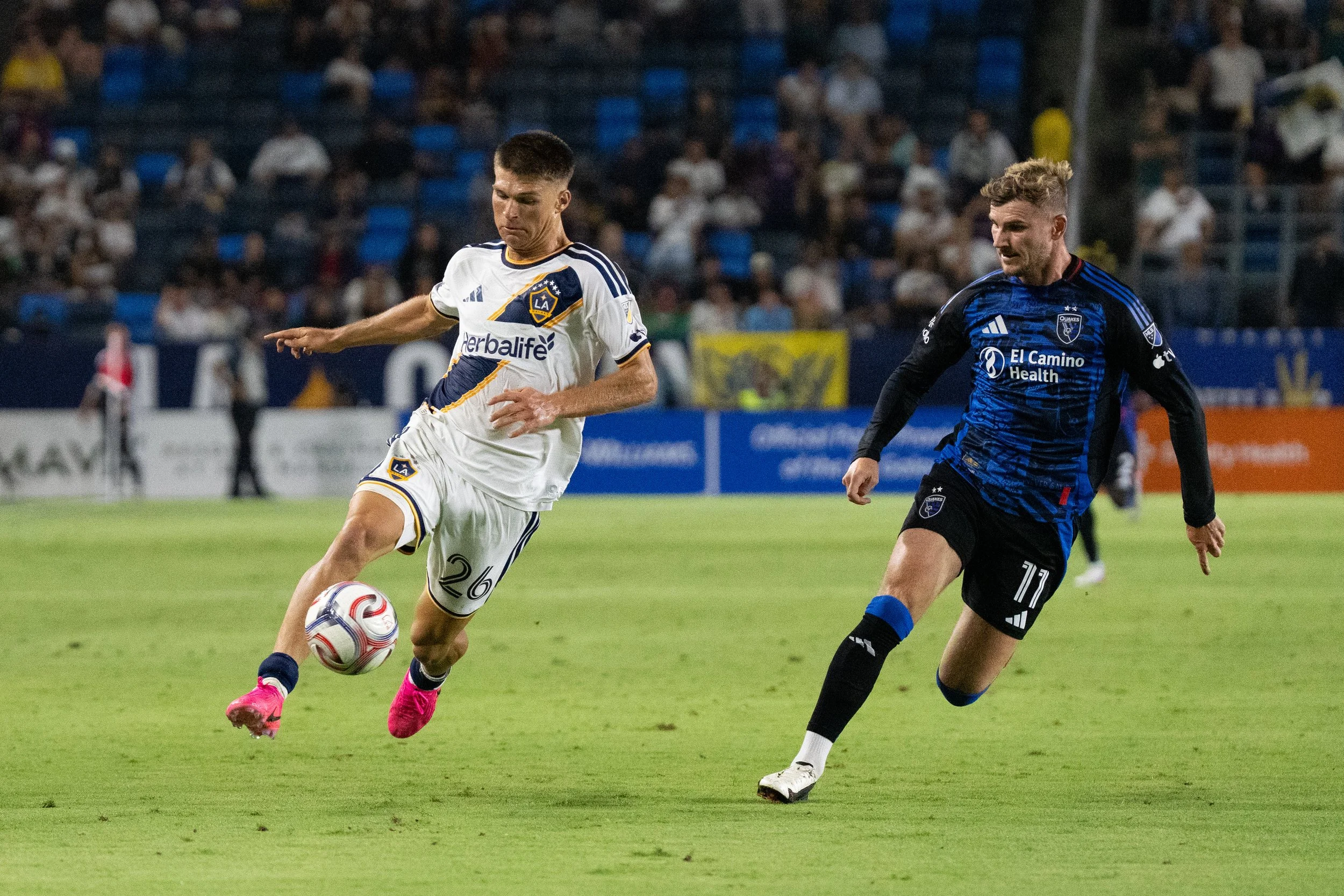
A Rivalry Night Filled With Pressure, Emotion and High Stakes
The LA Galaxy and San Jose Earthquakes met Wednesday night in the latest chapter of the historic California Clásico, and the match delivered exactly the kind of drama expected from one of Major League Soccer's longest-running rivalries. The Galaxy entered the night desperately looking for a victory after going six consecutive matches without winning, while San Jose arrived with a much stronger record but also looking to stop a difficult run of results.
The importance of the match was clear from the opening whistle. LA needed three points to climb the Western Conference standings and regain some confidence, while San Jose had the opportunity to strengthen its position near the top of the conference. The Earthquakes had already taken a point from the Galaxy earlier in the season in a 1–1 draw, making this another highly anticipated meeting between the two California rivals.
There was also a major storyline surrounding Hirving "Chucky" Lozano. After making his Galaxy debut off the bench in his previous appearance, the Mexican star received his first home start for LA. His presence immediately gave the match additional attention, but the Galaxy ultimately needed contributions from another attacker to decide the game.
What followed was a match in which the Galaxy had to overcome one of the biggest possible disadvantages in soccer: playing an entire second half with 10 men. Despite that setback, LA stayed organized, remained dangerous and eventually found the breakthrough that had seemed so difficult to come by.
A Cagey First Half Sets the Stage for a Wild Second Half
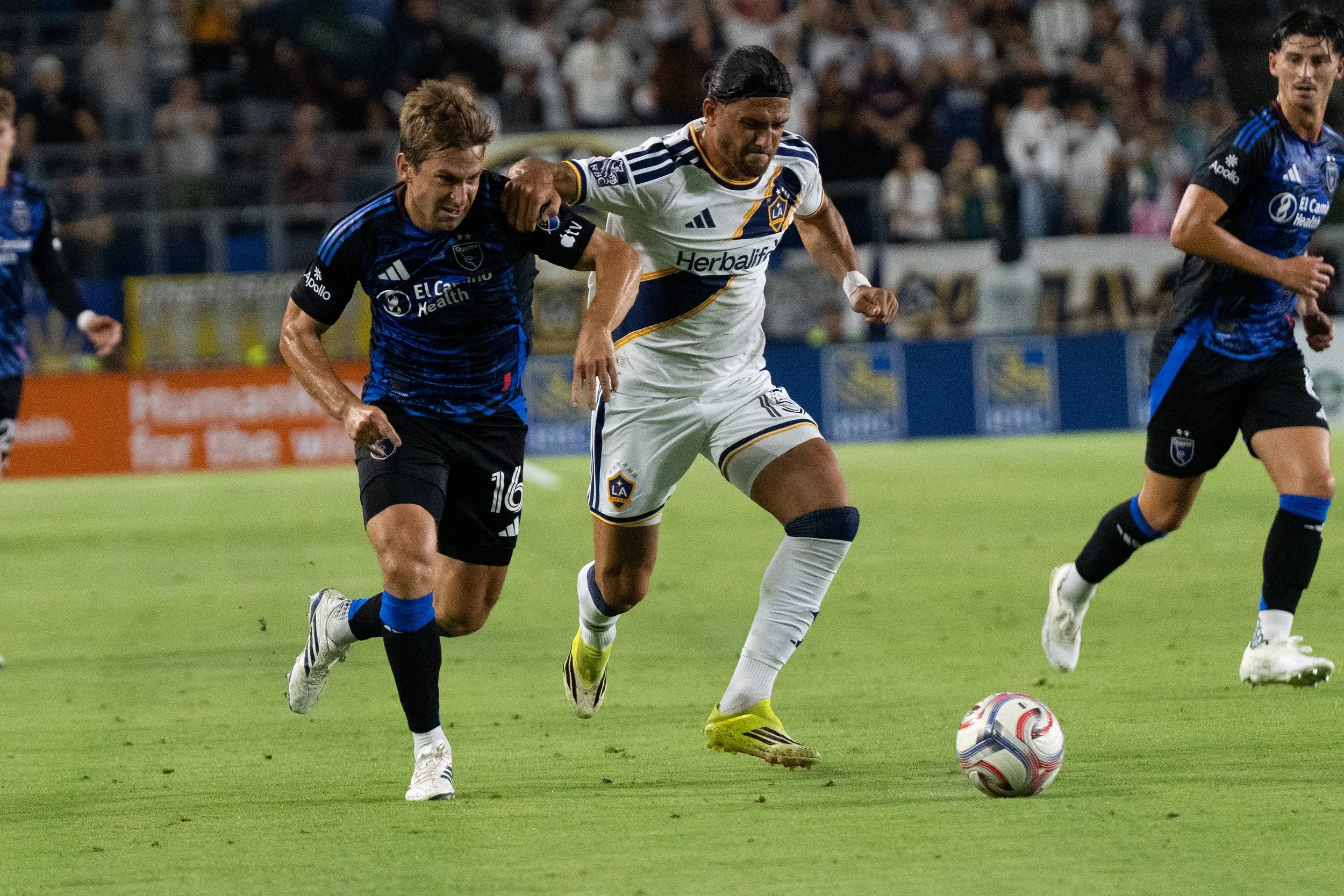
The opening 45 minutes were competitive and physical, with both teams searching for an opening without giving the other side too much space. The Galaxy generated several promising attacks, and Joseph Paintsil quickly established himself as one of LA's most dangerous players.
Paintsil tested San Jose goalkeeper Angus Gunn during the first half, while LA also saw attempts from players including Marco Reus. Lozano had an opportunity of his own as he looked to make an impact in his first start at home. San Jose also created chances, meaning the game never felt completely under control for either side.
The biggest first-half development, however, came from Lucas Sanabria.
Sanabria received his first yellow card in the 36th minute, putting himself in a dangerous position for the remainder of the half. Just nine minutes later, he was booked again. The second yellow card resulted in a red card and completely changed the complexion of the match. That meant the Galaxy entered the second half with only 10 players.
At halftime, the score was still LA Galaxy 0–0 San Jose Earthquakes, but the circumstances had changed dramatically. San Jose now had an extra player and 45 minutes to exploit the advantage. For the Galaxy, the objective became much more complicated: survive defensively, remain disciplined and look for opportunities on the counterattack.
San Jose Takes Control — But the Galaxy Refuse to Break
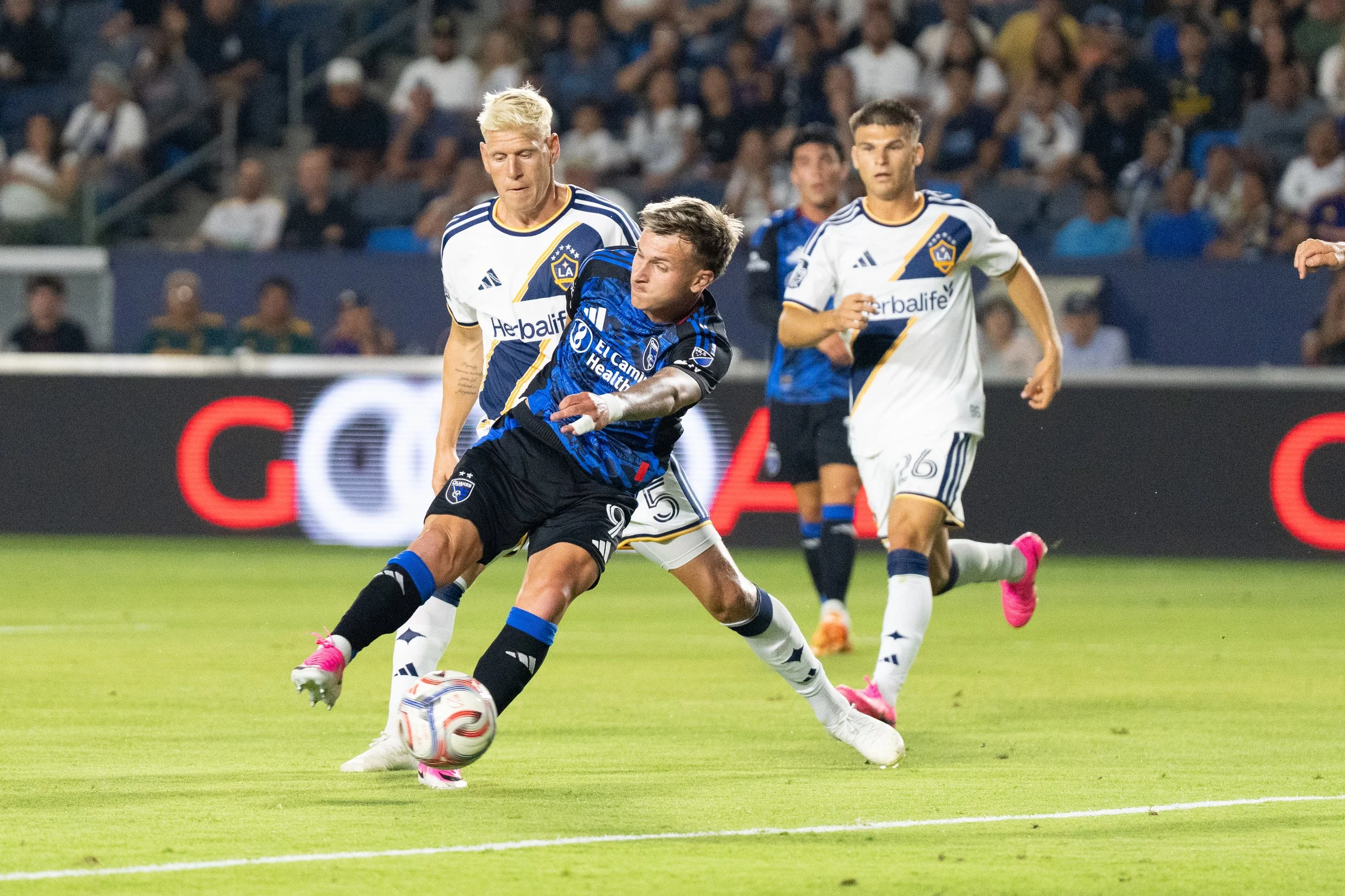
The second half began with San Jose immediately trying to make its numerical advantage count. The Earthquakes pushed more players forward and repeatedly tested the Galaxy defense. With LA down to 10 men, San Jose had more opportunities to control possession and attack dangerous areas.
The pressure produced several opportunities. San Jose generated shots and corners while attempting to stretch a Galaxy defense that had little room for error. The Earthquakes knew that patience could eventually create an opening, especially against a team forced to defend with one fewer player.
But the Galaxy's defensive organization became one of the defining stories of the night.
JT Marcinkowski was particularly important. The Galaxy goalkeeper made five saves and recorded his third clean sheet in 16 starts this season. His performance gave LA the foundation it needed to remain in the game while San Jose searched for a goal.
The Galaxy also had to make difficult tactical decisions. Lozano's first home start ended in the 68th minute, when Robert Taylor entered the game. Rather than chasing the match recklessly, LA continued looking for moments when it could attack quickly and exploit space behind San Jose's defense. San Jose had the numerical advantage. LA had the urgency. And somehow, the score remained 0–0.
As the match moved toward the final 20 minutes, it began to feel as though San Jose would eventually find the winning goal. Instead, the Galaxy produced the decisive moment.
Joseph Paintsil Produces a Stunning Breakthrough
The defining moment of the match arrived in the 79th minute.
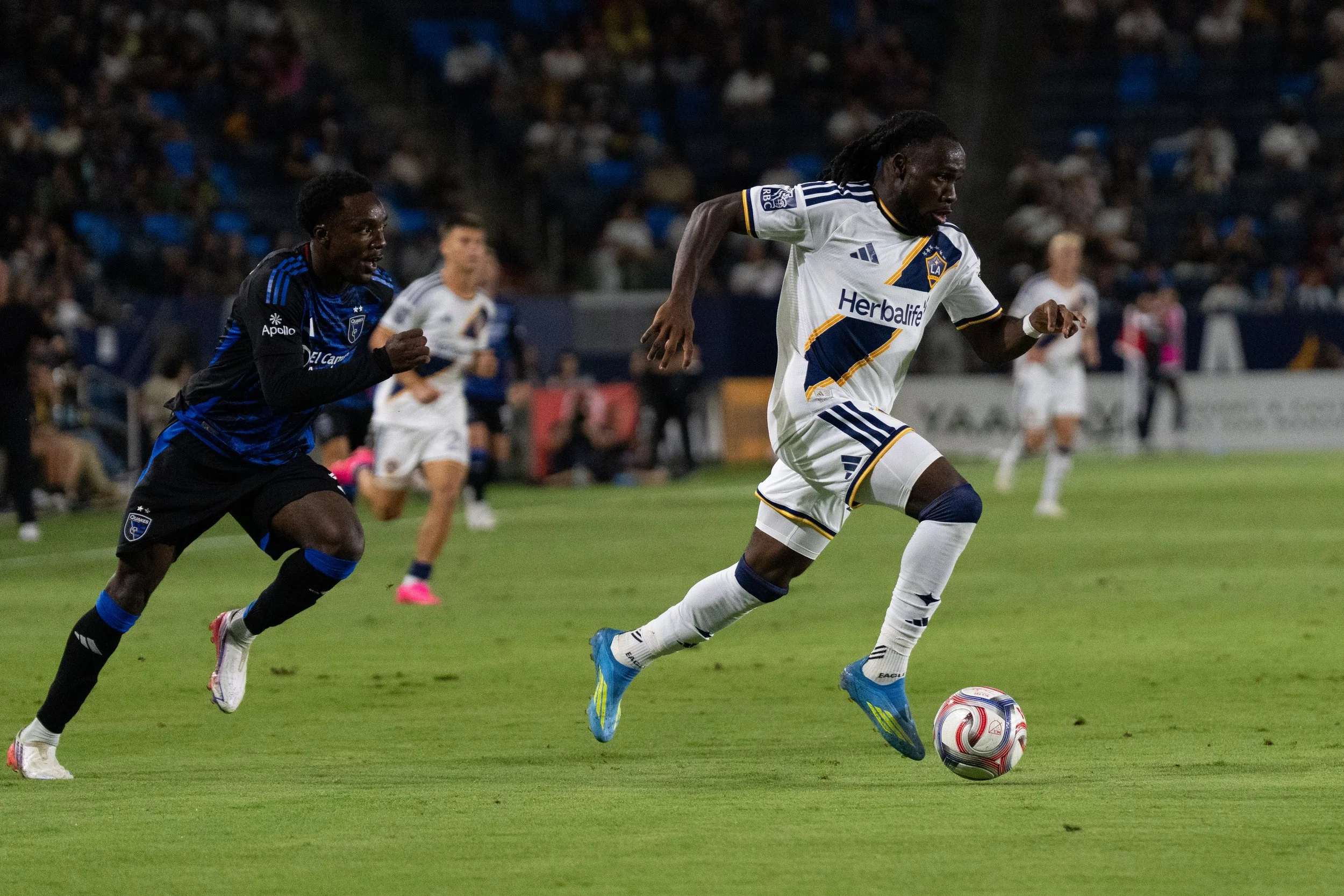
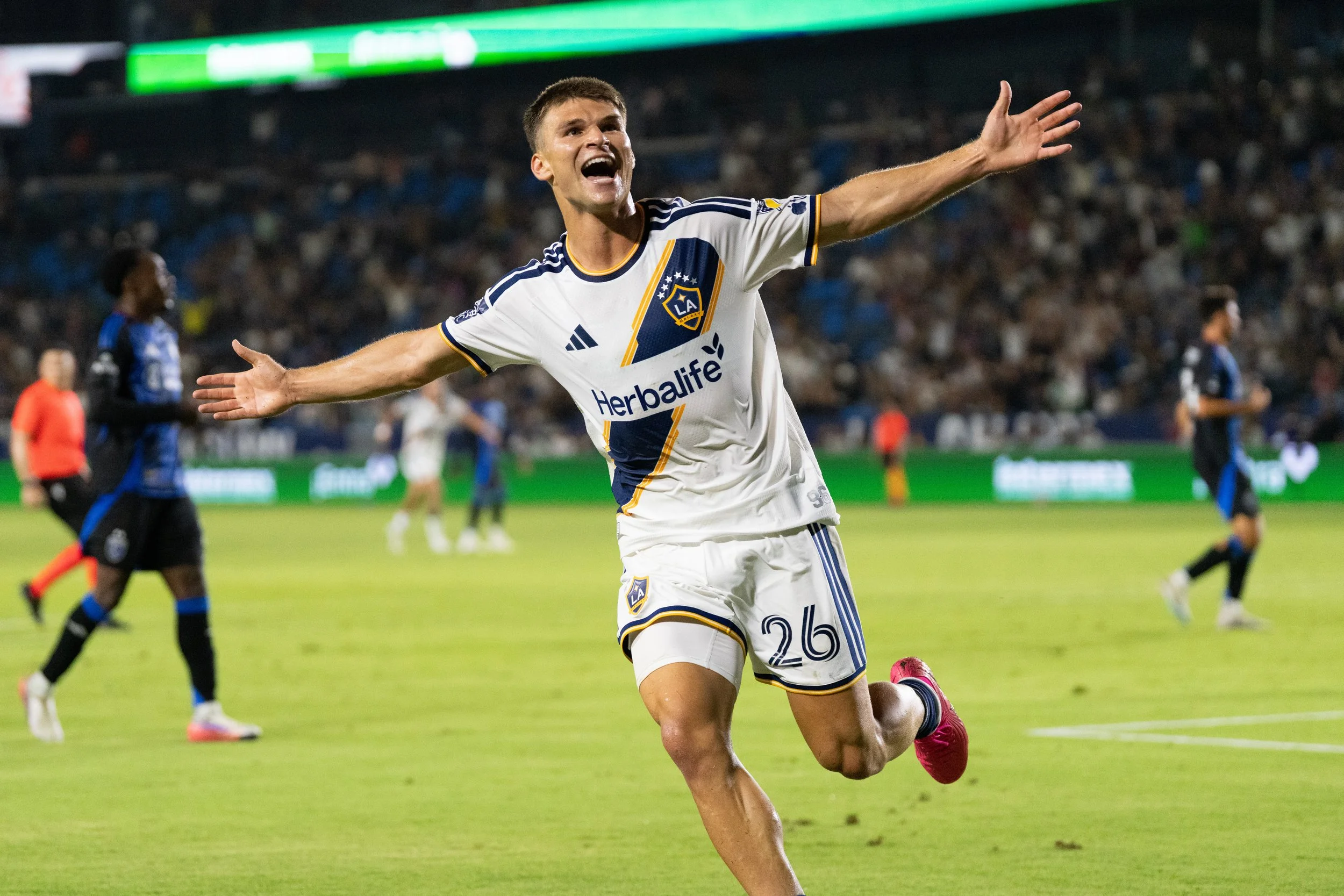
With the Galaxy playing a man down, Joseph Paintsil found the back of the net to give LA a 1–0 lead. It was the fifth MLS goal of Paintsil's season and arguably one of the most important goals of his campaign because of the circumstances surrounding it.
The goal came through a sequence involving rookie defender Harbor Miller. Miller registered his second assist of the season, Paintsil then completed the attack by putting the ball into the net.
For more than 30 minutes, San Jose had been trying to take advantage of its extra player. The Earthquakes had the numbers, the pressure and the opportunity to control the game. Yet it was the Galaxy who suddenly found themselves ahead.
Paintsil's goal completely changed the emotional atmosphere inside the stadium. A match that had appeared to be slipping away from LA suddenly became one the Galaxy could win. The players now had something extremely valuable to protect: a one-goal lead with roughly 11 minutes of regulation time remaining.
For Paintsil, the goal was another reminder of his ability to make a difference in important moments. Earlier in the season, he had already scored against San Jose in the teams' previous California Clásico meeting. Now he had delivered another goal against the Earthquakes — this time in a match where the Galaxy were playing short-handed, and the final minutes suddenly became a test of survival.
The Final Minutes Become a Defensive War
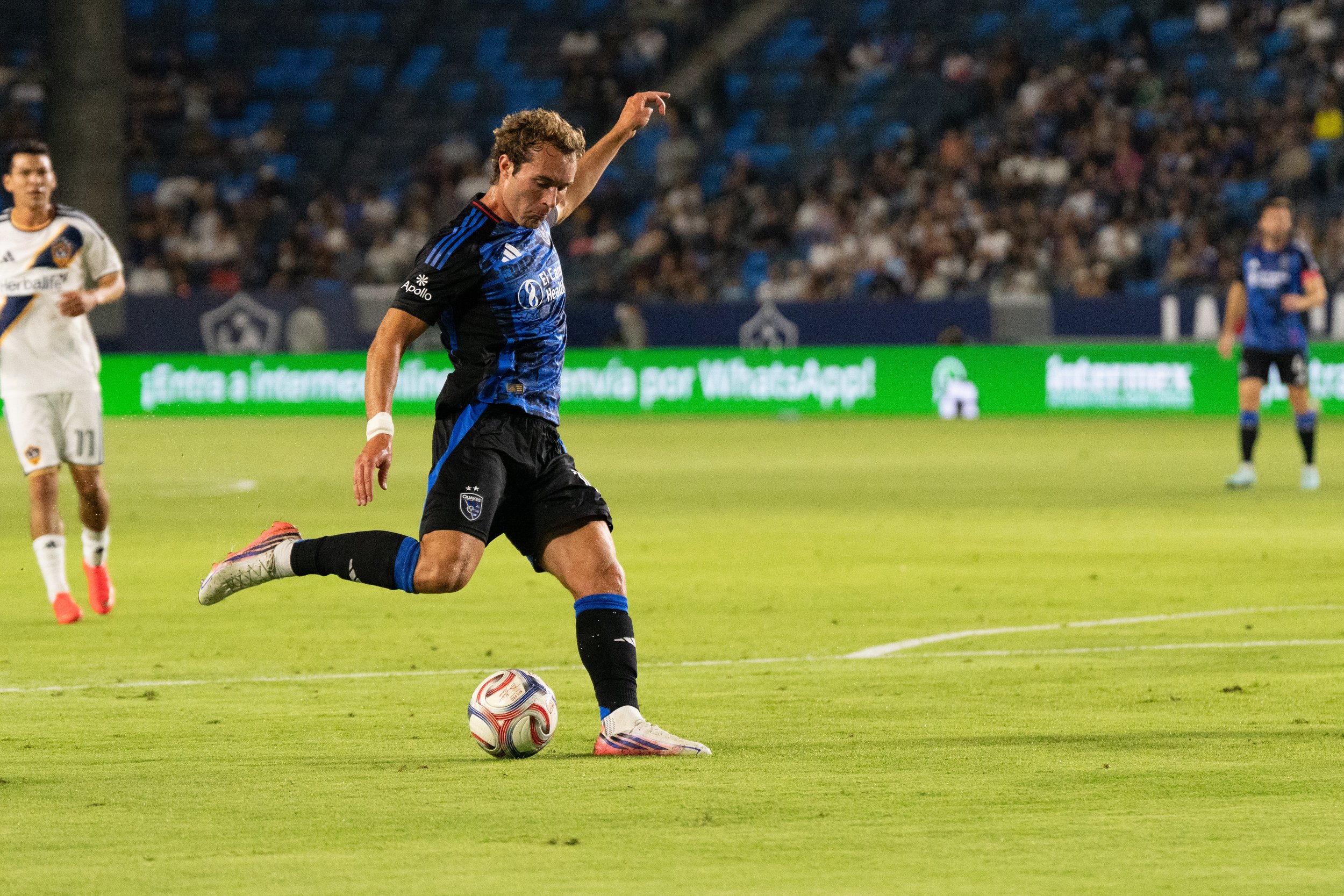
Once Paintsil put LA ahead, the Galaxy knew exactly what was coming. San Jose had no choice but to attack. The Earthquakes pushed forward looking for an equalizer, while the Galaxy dropped deeper and focused on protecting the advantage. Every clearance became important. Every save mattered. Every lost second helped LA move closer to the final whistle.
Marcinkowski once again became a central figure. His five saves helped keep San Jose from finding the equalizer, while the Galaxy's back line worked desperately to close down shooting lanes and prevent dangerous balls from reaching the penalty area.
Paintsil himself was replaced in the 83rd minute, only four minutes after scoring the goal that had put LA in front. His work was done, and the Galaxy could now concentrate completely on defending their lead. The situation was remarkable: San Jose had an extra player, but LA had the lead. That meant every San Jose attack carried enormous tension. One mistake could have erased everything the Galaxy had worked for. But LA continued to hold its shape and fight for every ball.
The final whistle eventually arrived with the score still 1–0. For San Jose, it was a frustrating result because the Earthquakes had spent much of the second half attacking a 10-man Galaxy side. For LA, it was the kind of victory that can potentially change the mood around a team.
A Massive Win for the Galaxy — and a Night to Remember for Paintsil.
The Galaxy had entered the match searching for a win after an 0-3-3 winless stretch. They then lost a midfielder to a red card just before halftime, forcing them to play the entire second half with 10 men. San Jose had every reason to believe it could take advantage. Instead, LA produced one of its most memorable victories of the season.
Paintsil's 79th-minute goal became the difference. Marcinkowski's saves preserved the advantage. The defense survived the pressure. And the Galaxy finally ended their six-game winless run, earning their first victory since beating Seattle 2–0 on May 16. The result also continued a fascinating storyline between these two rivals. The teams had drawn 1–1 in their previous meeting earlier this season, with Paintsil scoring then as well. This time, his goal was even more valuable because it produced all three points for LA.
For San Jose, the defeat extended an increasingly difficult stretch. The Earthquakes have now lost three consecutive matches and have gone winless in five since July 1. Despite having the advantage of an extra player for the entire second half, they could not find the finish they needed.
For the Galaxy, however, this was about resilience.They were down a player. They were under pressure. They were facing a team higher in the standings. And yet, when the decisive opportunity arrived, Joseph Paintsil delivered in the 79th minute.
That goal transformed what could have been another frustrating night into a statement victory. The Galaxy leave the latest California Clásico with three points, a clean sheet and renewed confidence — while San Jose are left to wonder how they failed to score against a 10-man opponent.
What’s Next for Both Teams
The Galaxy will look to build on their huge 1–0 win and end their recent struggles. Their next match is against CF Montréal on August 22. With playoff hopes still alive, LA needs to turn the victory over San Jose into a winning streak. Hirving Lozano will also look to build more chemistry with his new teammates.
San Jose will try to bounce back when they face Minnesota United on August 22. Despite controlling much of the match against LA, the Earthquakes could not score and were punished by Joseph Paintsil's 79th-minute goal. They remain in a strong playoff position, but they need to start converting their chances into goals.