Paintsil Strikes, but Galaxy Can’t Hold the Line
La Galaxy (Photo by @RichardMorales)
A Tactical Battle Sets the Tone Early
The clash between the LA Galaxy and Vancouver Whitecaps FC opened as a cautious, tactical contest rather than an end-to-end spectacle. Both teams prioritized structure, spacing, and defensive responsibility, which limited clear-cut chances in the first half.
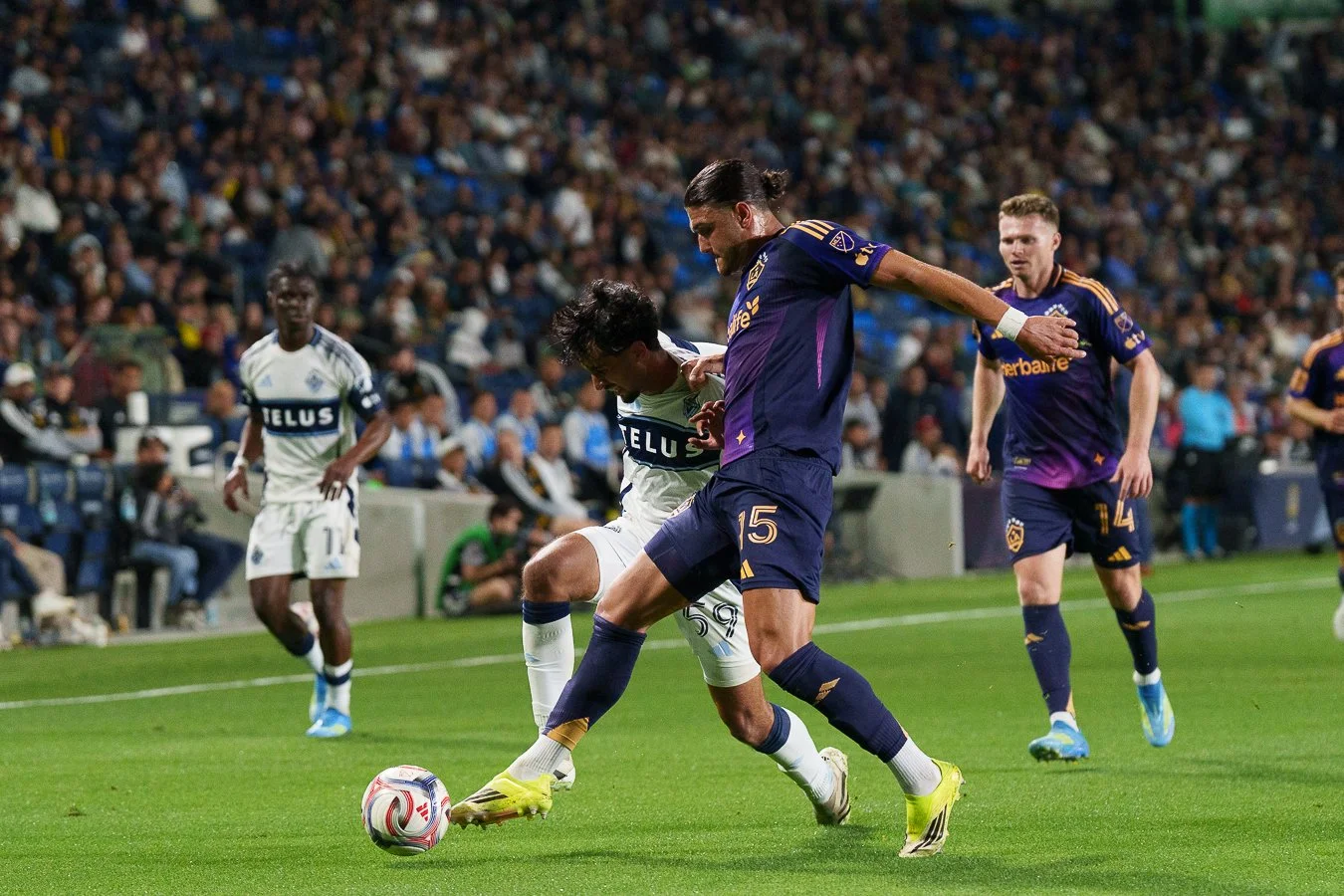
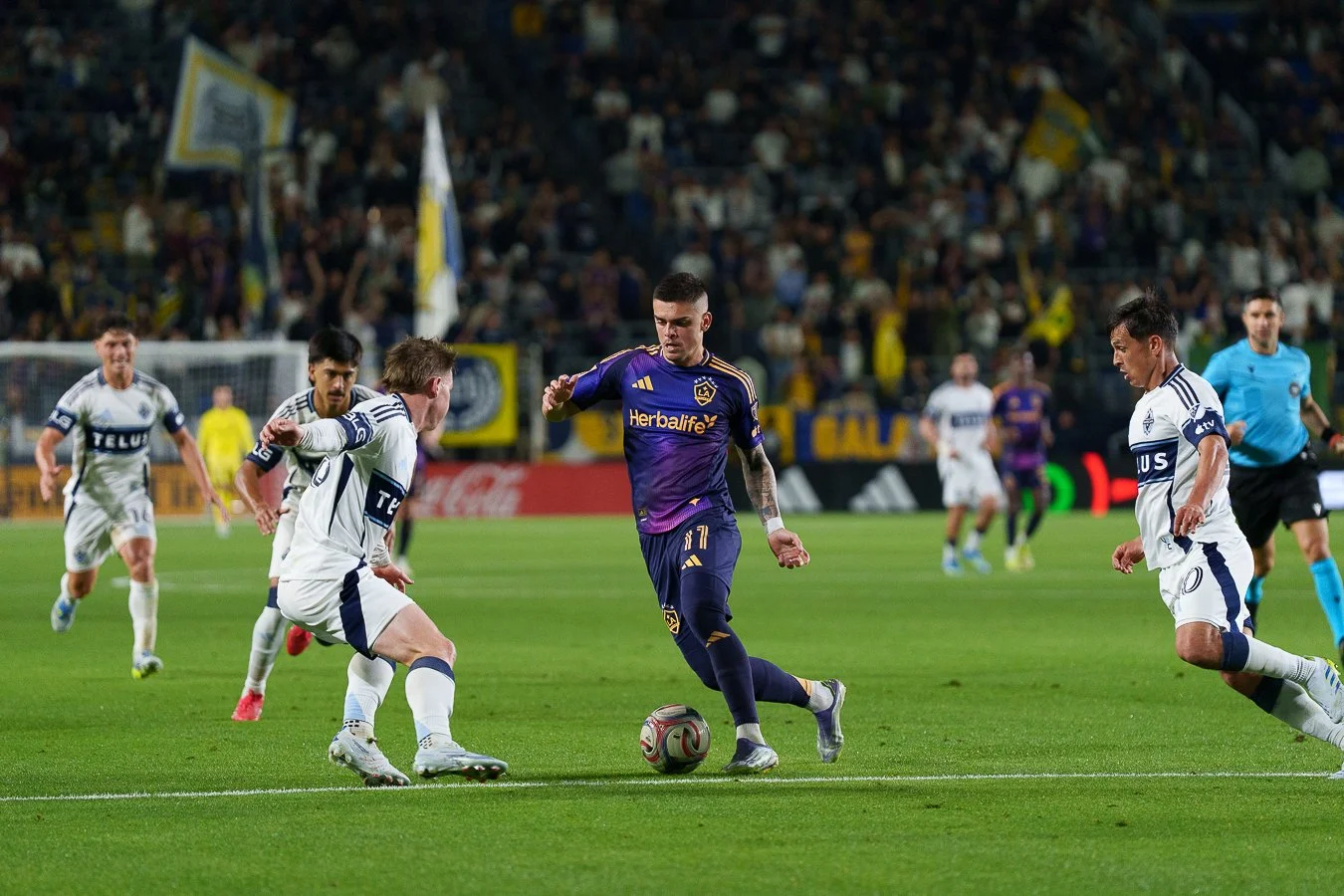
LA Galaxy focused on maintaining possession in midfield while probing for openings down the wings. Vancouver, meanwhile, looked comfortable absorbing pressure and waiting for transition opportunities. The Galaxy’s back line held firm, showing improved organization compared to earlier matches, while the midfield worked tirelessly to disrupt Vancouver’s rhythm.
Although the first 45 minutes ended without goals, it was far from uneventful. The physical intensity was high, with both teams committing fouls and battling for control in key areas. The evenly matched half reflected two sides that respected each other’s strengths, setting the stage for a more decisive second half.
La Galaxy (Photo by @RichardMorales)
Paintsil’s Instant Impact Shifts Momentum
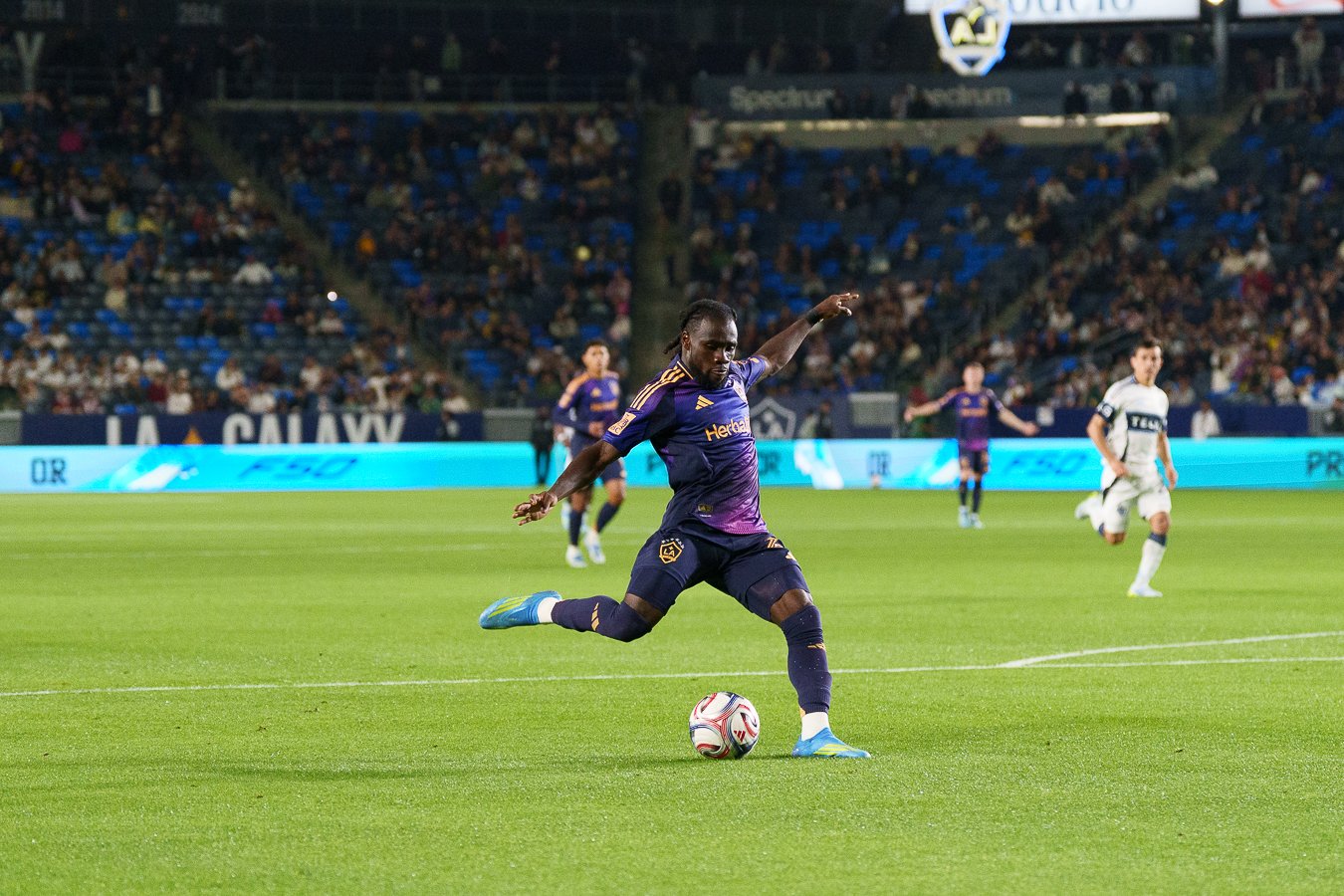
The turning point came immediately after halftime, when Joseph Paintsil delivered a moment of sharp awareness and clinical finishing. Within moments of the restart, he capitalized on a defensive lapse, reacting quicker than anyone else to put the ball in the back of the net.
This early second-half goal completely shifted the energy of the match. The Galaxy suddenly looked more confident and aggressive, pressing higher up the field and forcing Vancouver into uncomfortable positions. Paintsil’s speed and direct attacking style became a constant threat, stretching the opposition defense and creating additional space for his teammates.
Beyond just the goal, his overall performance embodied the Galaxy’s attacking identity—fast, opportunistic, and willing to take risks. His presence forced Vancouver to adjust tactically, committing more players forward and leaving themselves slightly more exposed at the back.
La Galaxy (Photo by @RichardMorales)
Defensive Resilience Tested Under Pressure
After taking the lead, the Galaxy entered a prolonged defensive phase as Vancouver pushed forward in search of an equalizer. This period revealed both strengths and vulnerabilities in LA’s setup.
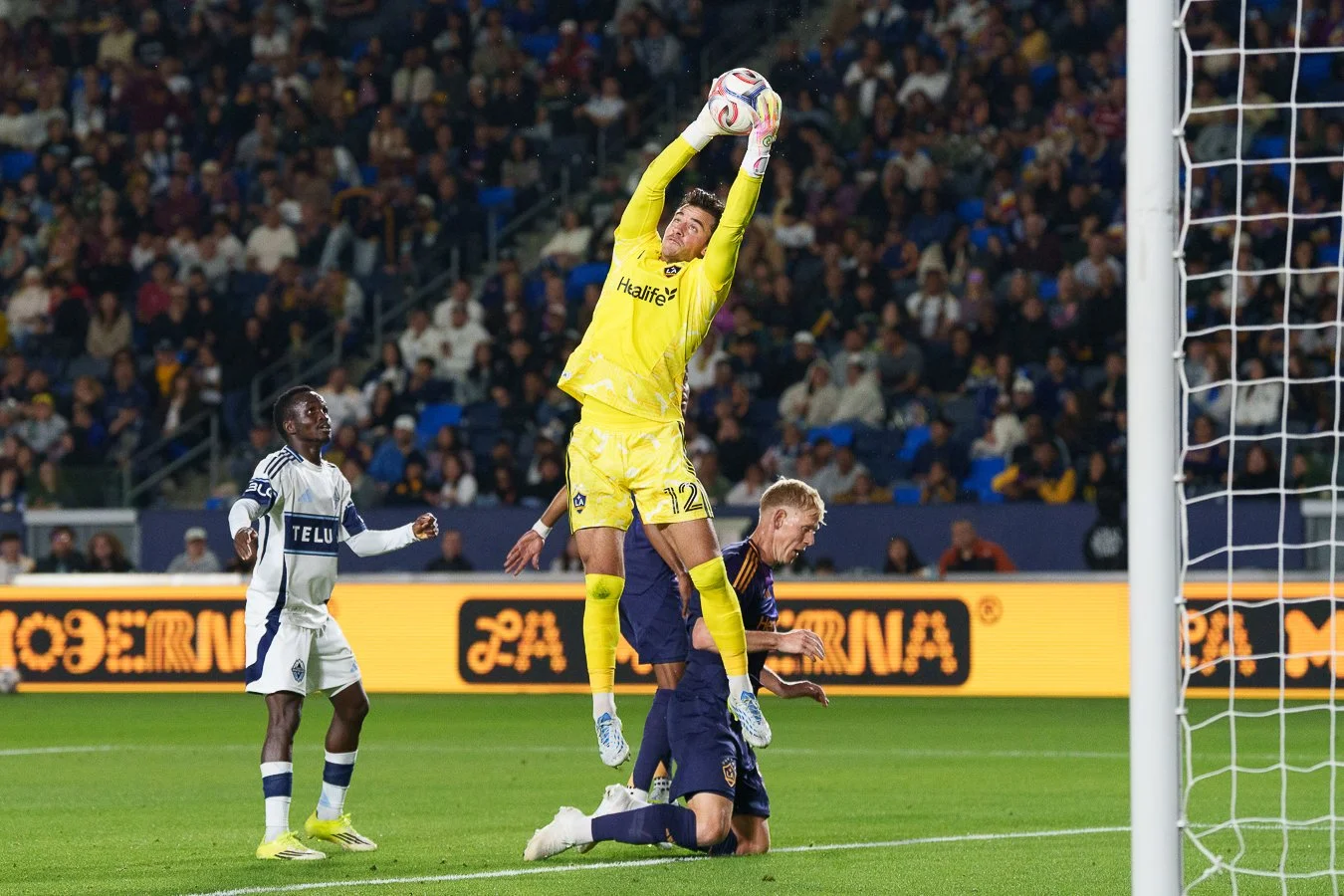
On the positive side, the team showed resilience. The defensive line stayed compact, and the midfield tracked back effectively to limit open-play chances. Goalkeeping and last-ditch defending helped preserve the lead through several tense moments.
However, cracks began to appear as the pressure mounted. The Galaxy struggled to maintain possession for extended periods, often conceding the ball too quickly and inviting further attacks. Set pieces, in particular, became a growing concern. Each corner and free kick from Vancouver carried increasing danger, highlighting a lack of composure in those situations.
This phase of the game demonstrated that while LA can defend with discipline, sustaining that level under constant pressure remains a challenge.
La Galaxy (Photo by @RichardMorales)
Late Equalizer Exposes a Familiar Weakness
The breakthrough for Vancouver finally came late in the match, when Mathías Laborda scored a header from a set piece. The goal was a result of precise delivery combined with a lapse in defensive marking by the Galaxy.
Conceding in this manner will be particularly frustrating for LA, as it reflects an issue that has surfaced multiple times. Despite organizing well during open play, the team continues to struggle with marking assignments and positioning during dead-ball situations.
The timing of the goal made it even more impactful. After working hard to protect their lead for most of the second half, the Galaxy saw their efforts undone in a single moment. It shifted the emotional momentum of the game and left little time for a meaningful response.
Moments like this often define a team’s season, and for LA, it serves as a clear reminder that small details—especially in high-pressure situations—can determine the outcome.
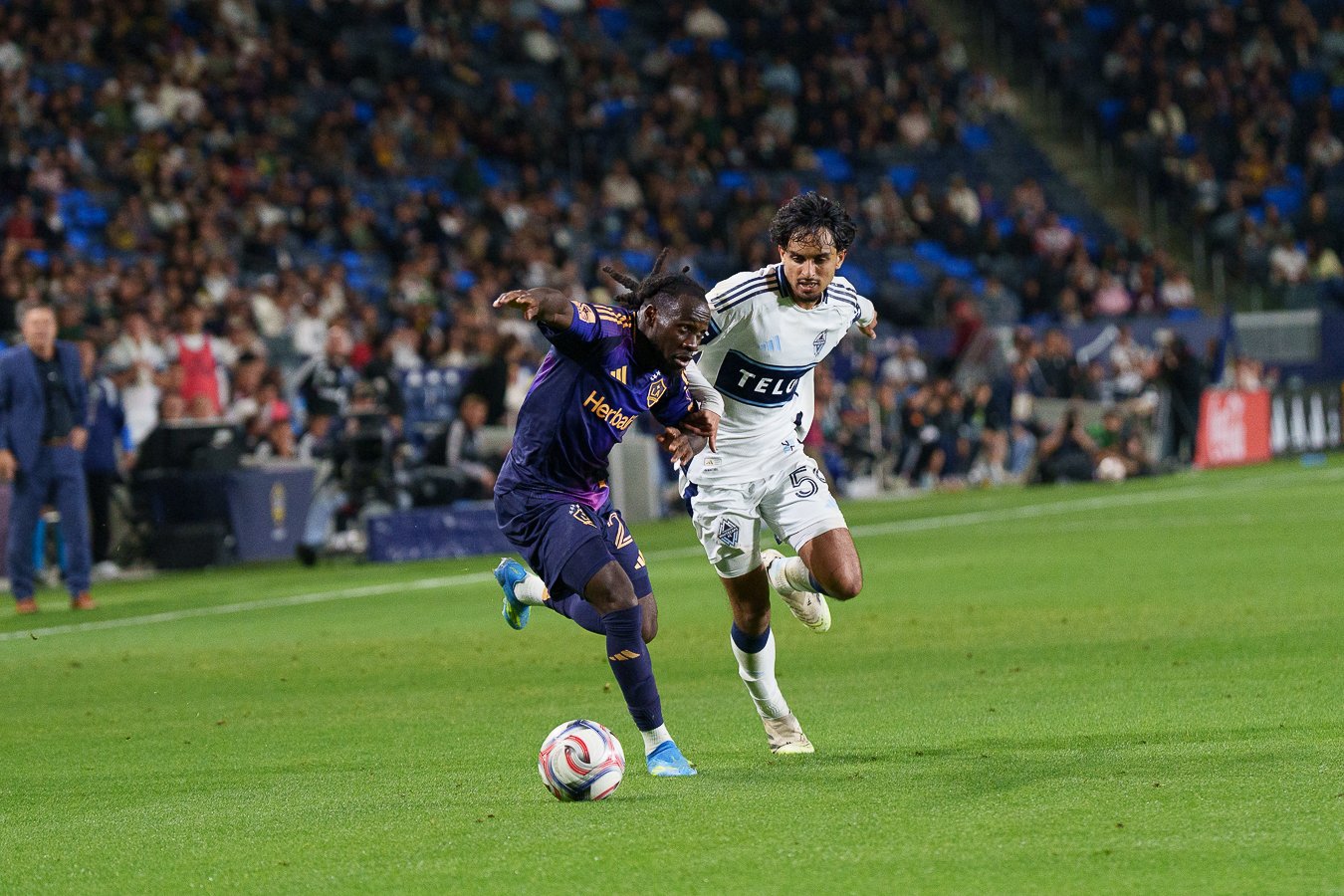
La Galaxy (Photo by @RichardMorales)
Progress Shown, but Closing Games Remains the Key Issue
When looking at the bigger picture, this result is both encouraging and frustrating for the Galaxy. On one hand, they demonstrated clear improvement in several areas: structured defending, effective pressing, and consistent attacking contributions. Competing evenly with a strong Vancouver side shows that the team is capable of performing at a higher level.
On the other hand, the inability to close out the match highlights a critical area that still needs attention. Game management—particularly in the final 15 minutes—remains a weakness. Whether it’s maintaining possession, slowing the tempo, or defending set pieces, these late-game details are preventing the team from turning solid performances into victories.
There are also promising signs for the future, including the involvement of younger players like Troy Elgersma, which suggests the club is building depth and investing in long-term development.
Ultimately, the draw feels like a missed opportunity, but not a step backward. If the Galaxy can refine their defensive focus and maintain composure under pressure, performances like this could soon translate into consistent wins rather than shared points.